Author: Mark Engler and Paul Engler

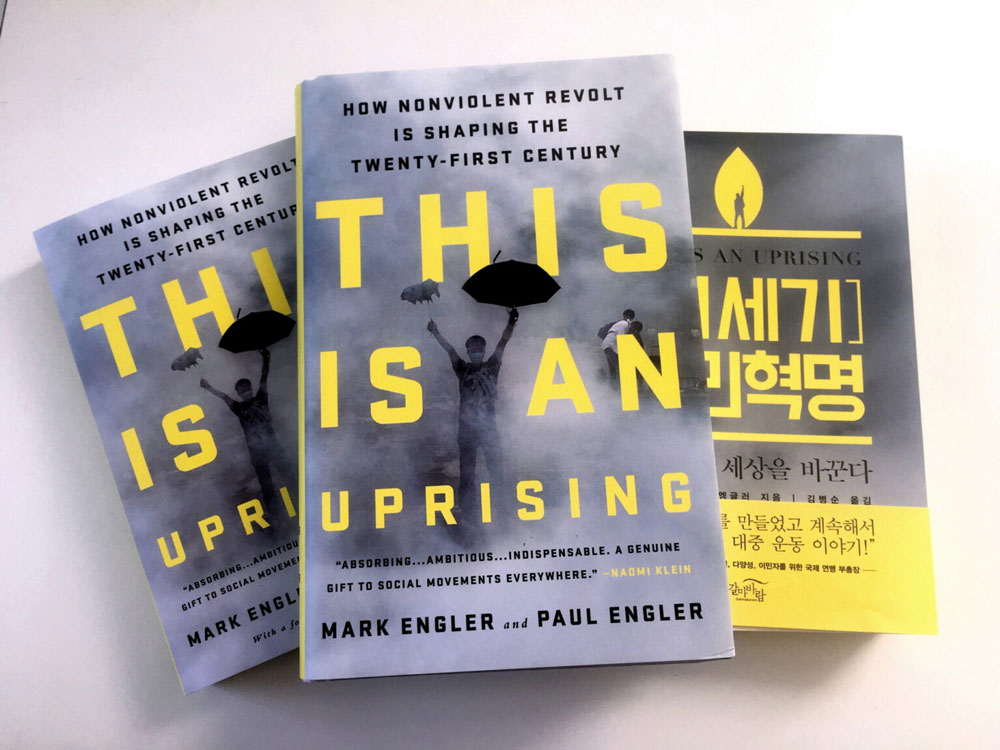
We are excited to announce the release of a new and expanded edition of our book on the power of mass mobilization.

How to recognize the key traits that define powerful moments of uprising against injustice and tyranny.

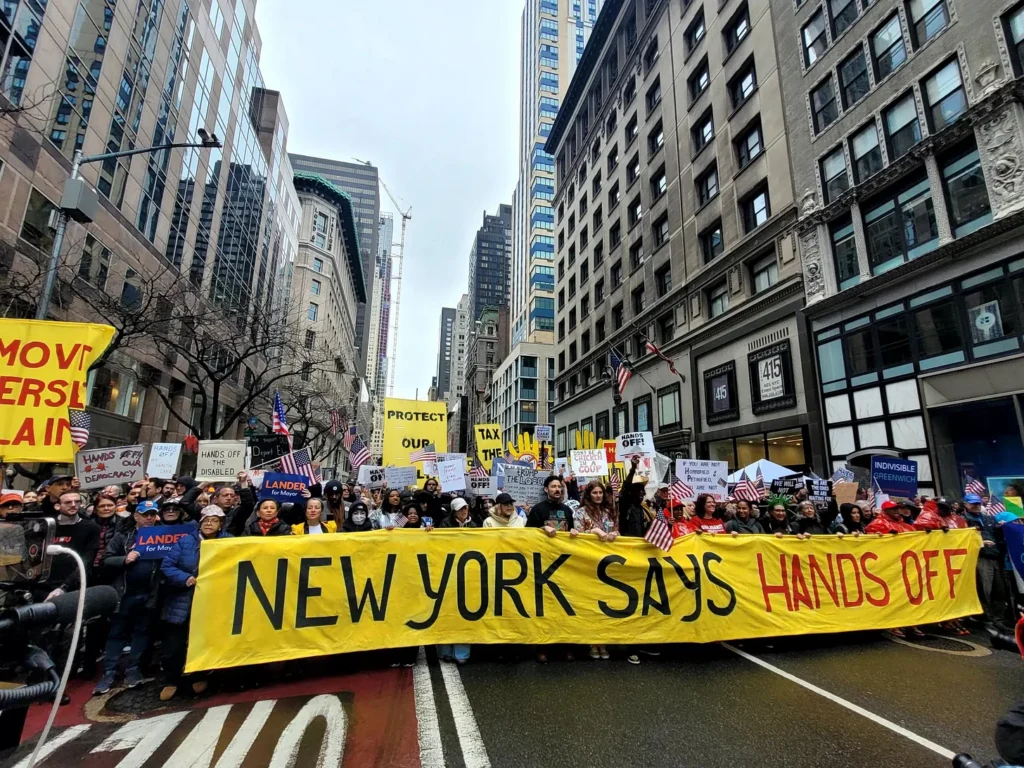
Studying the field of civil resistance gives insight into the level of popular organizing needed to repel assaults on democracy.

By understanding how mainstream political culture co-opts elected officials, grassroots groups can help them resist.

Political educator Harmony Goldberg discusses whether the ideological traditions of the left are helpful for practical organizing.

The activists who took over the city hall of Catalonia’s capital have changed one of Europe’s preeminent cities for good, while also confronting the limits of being in power.

Politicians fear the disruptive power of a mobilized base, even when it helps them succeed.

It takes effort to track the impacts of mass mobilizations like #MeToo, Occupy or Black Lives Matter, but understanding social change is impossible without such work.

This article explains the “pillars of support” framework, and it provides a case study of how movement impacts can be tracked through a variety of social institutions.

Political scientists Frances Fox Piven and Daniel Schlozman have debated whether movements do better to put pressure on political parties from the outside, or to focus on gaining insider power themselves.