At the Whirlwind Institute, we believe that learning from history is an essential component of developing effective strategy. To that end, our Movement History project area offers reflections on past organizations and campaigns that provide lessons for today’s struggles for justice and freedom.
Feminist Direct Action
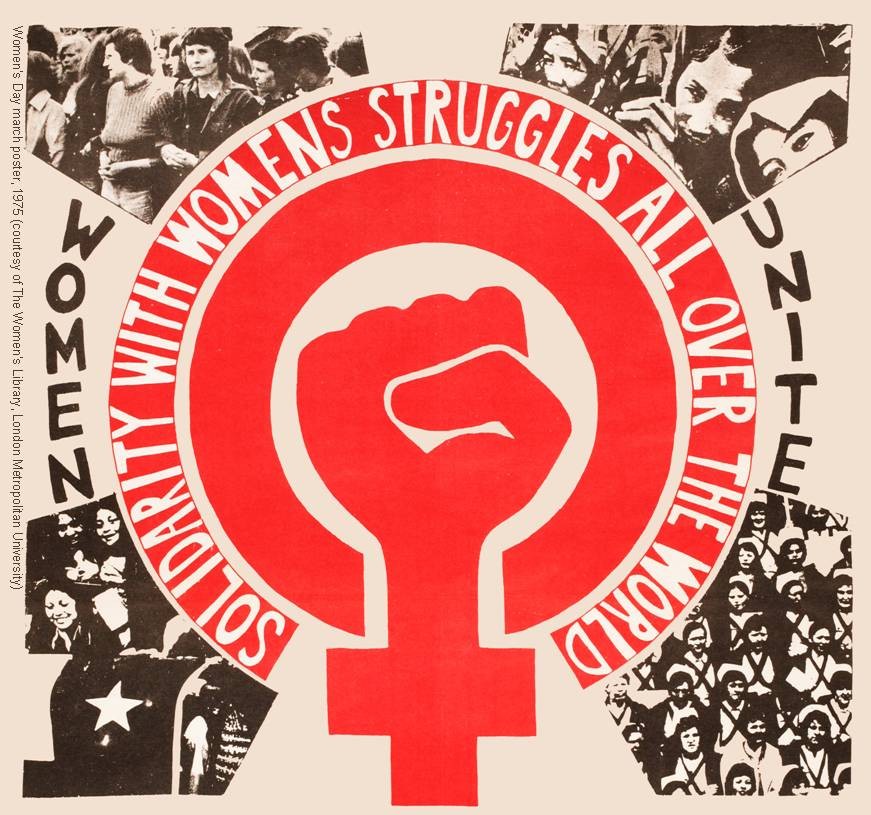
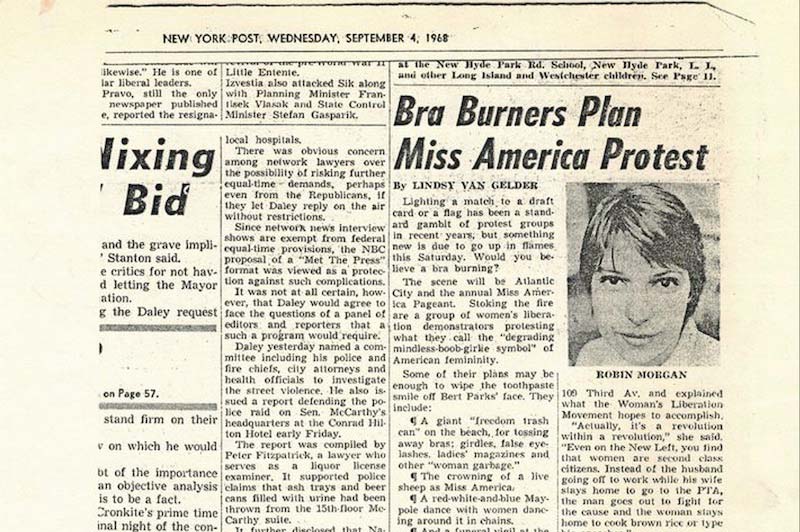
This series of articles, co-authored by Mark Engler and Laura Tanenbaum, explores the use of direct action in second-wave feminism in the late 1960s and early 1970s. The first article, “When Women Revolted,” examines a surge in disruptive protest starting in 1968 that helped put women’s liberation on America’s political map and showcased a radical feminist vision of lasting significance. Read here for more.
The third article in the series, “No More Miss America: A Collective Memory of Liberatory Action,” weaves together oral history and excerpts from historical documents to offer another look at the same event. This account narrates the action using the words of the participants themselves. Read here for more.
The final article in the series, “Help Wanted—Female,” tells the story of a 1967 picket of the New York Times. The campaign protested the newspaper’s practice of posting sex-segregated job ads, and it ultimately secured important gains. Read here for more.
In the mid-1980s, Central American solidarity activists developed a model for building resistance before disaster strikes. Their efforts may have stopped a U.S. invasion of Nicaragua.
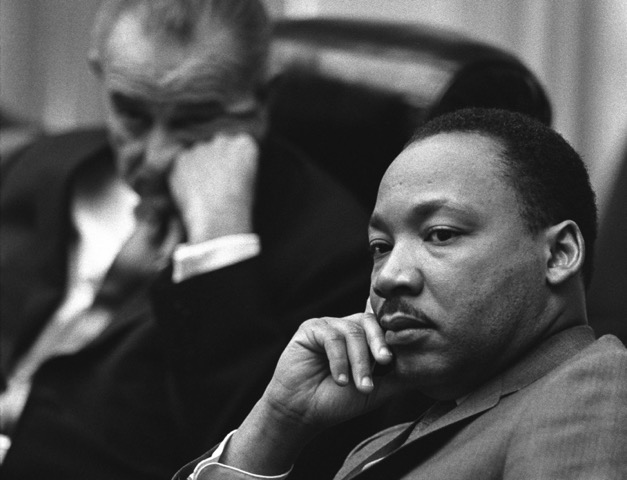
This article, written in early 2016, discusses how Martin Luther King, Jr. opted to pursue strategies of mass protest and civil resistance rather than focusing on inside-game politics.
If there is a vision of U.S. patriotism that is redeemable, it must surely draw on Seeger's insistence that it encompass both ardent dissent and robust internationalism.
Despite the demonstrated power of sacrifice and disruption, it is rare that groups risk either in significant measure — and even rarer that the two are combined in thoughtful and creative ways
We are currently working to secure permissions to reprint several landmark essays and primary sources that made important impacts on past social movements and that remain relevant to progressive strategy today. We will look forward to making these resources available in the near future.