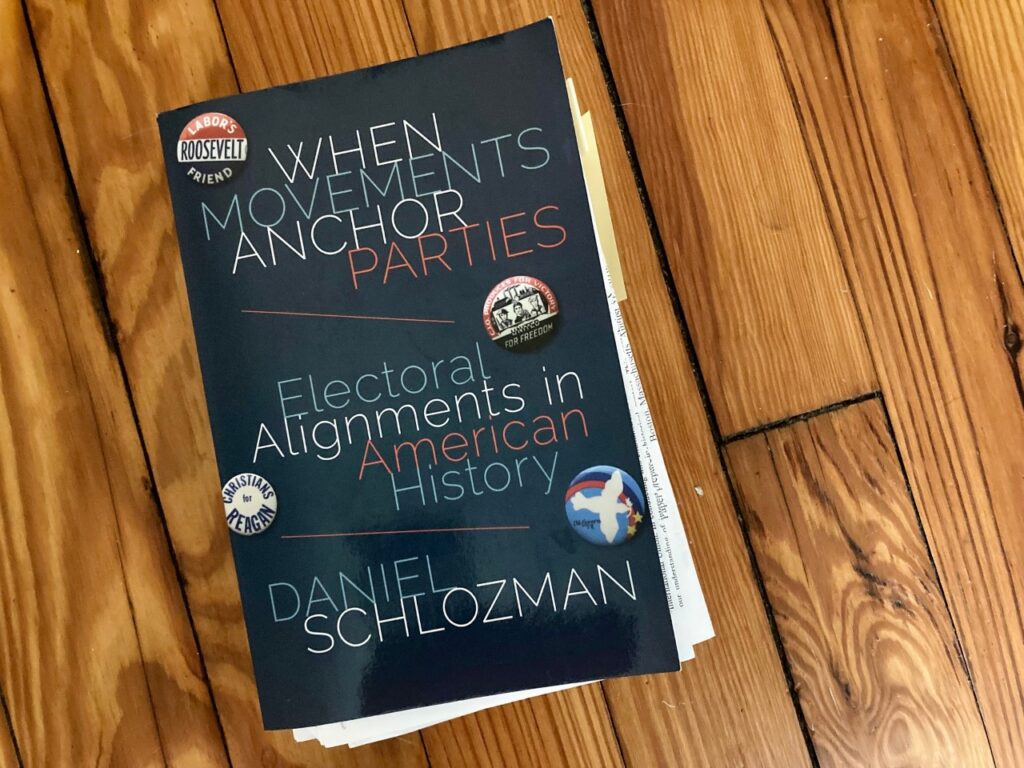
Daniel Schlozman argues that, by becoming “anchor groups” within mainstream political parties, movements can secure lasting influence. But is entry into a party worth the price of admission?
The great theorist of disruptive power explains the concept of "dissensus" and how social movements prod elected officials into action by taking controversial stands.
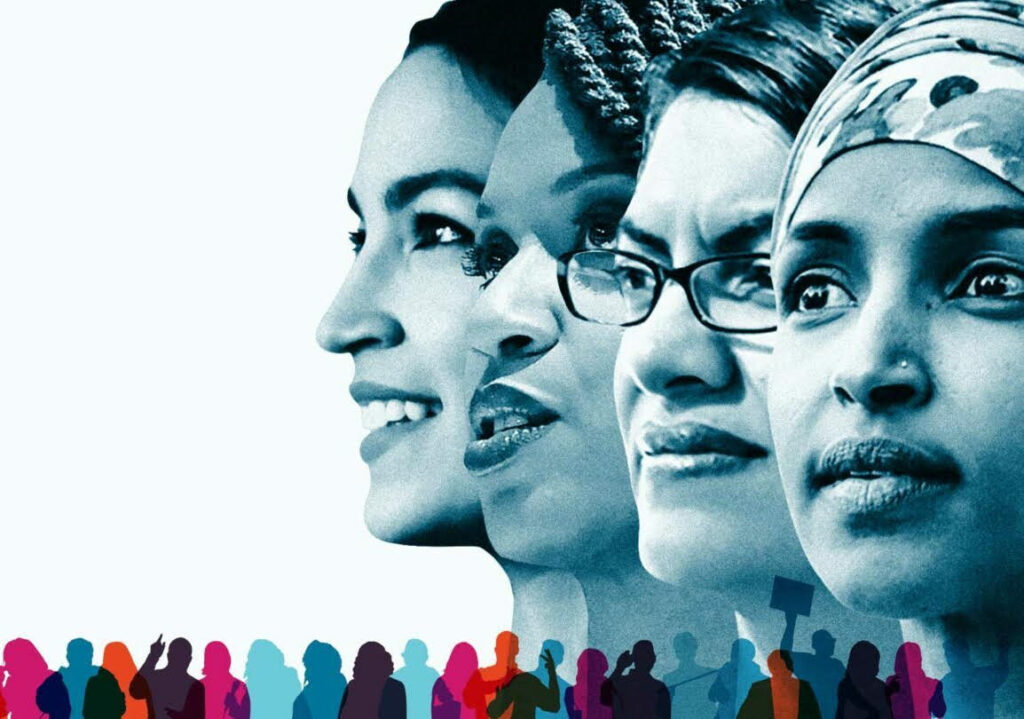
In claiming the goal of "realignment," groups such as Sunrise and Justice Democrats are reviving an old idea, with hopes of provoking new political transformations.
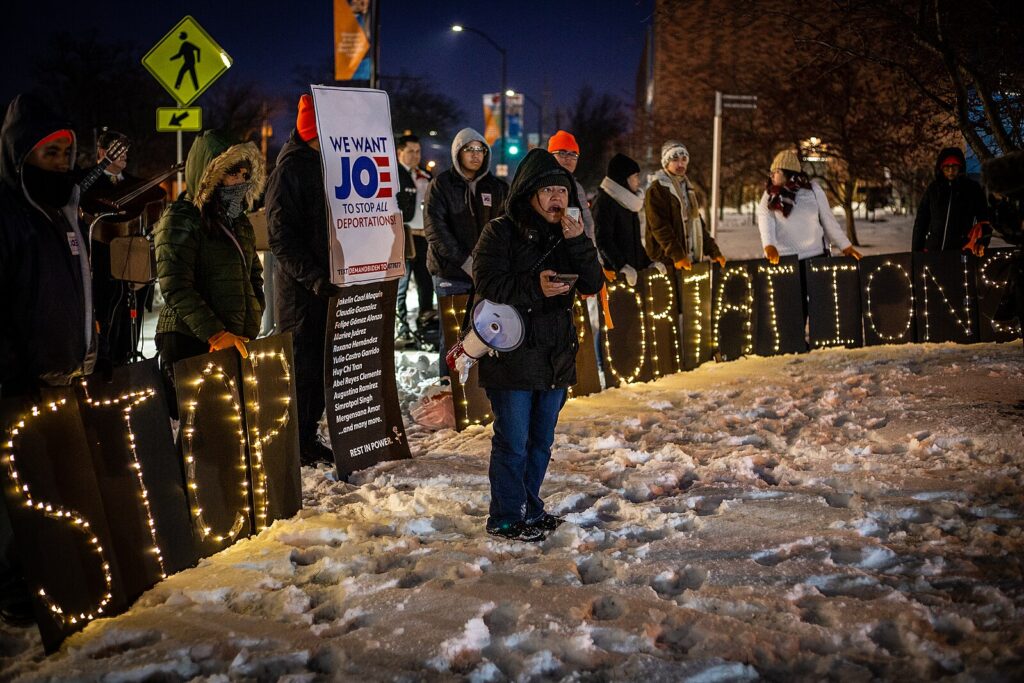
This article, written in the spring of 2020, explains how public health crises such as the COVID-19 pandemic can serve as "trigger events" for social movement mobilization.