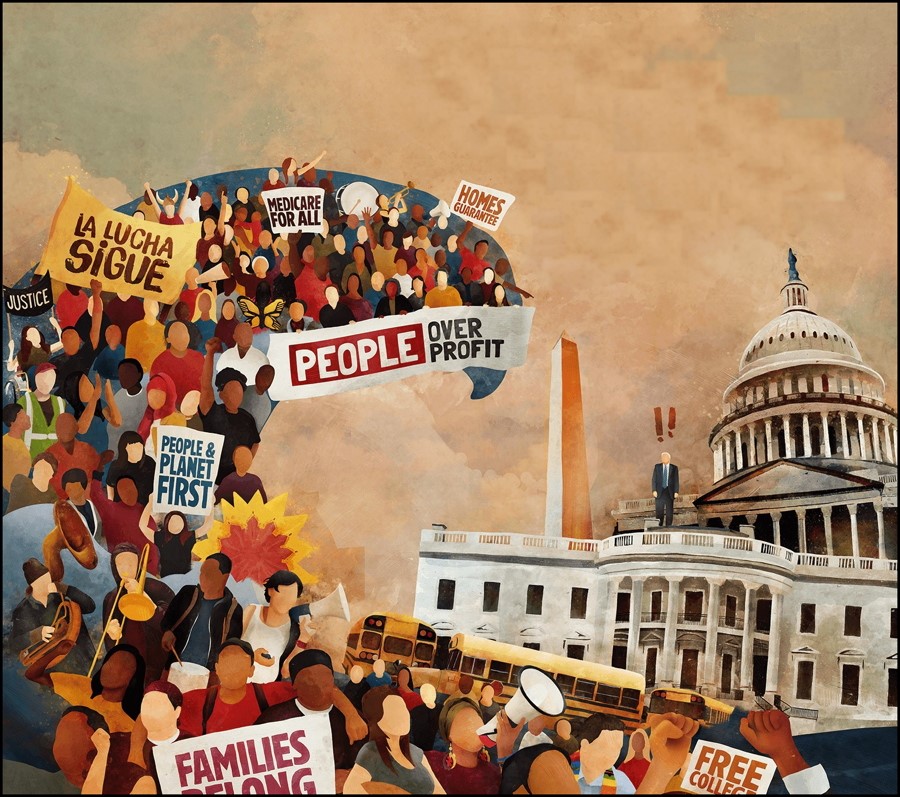
As social movements move beyond the default anarchist sensibility that prevailed through Occupy, they must still reckon with hard questions about bureaucracy and cooptation.
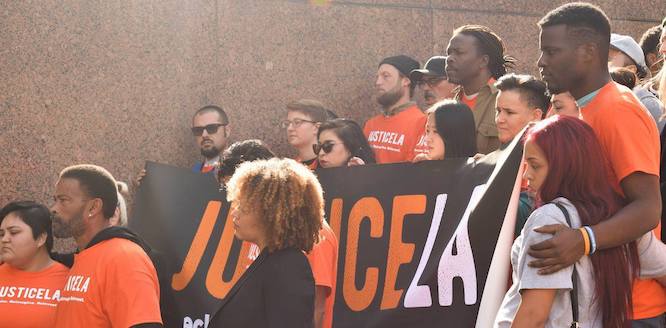
In the past five years, abolitionists and advocates of criminal justice reform in Los Angeles County have amassed some impressive victories—laying out a vision for reducing incarceration and providing care that could have national significance.
What is co-governance? And why is it relevant to progressive politics? This report, "A Guide To Co-Governance," provides answers, examining how movements and elected officials can strategize together.
Political scientists Frances Fox Piven and Daniel Schlozman have debated whether movements do better to put pressure on political parties from the outside, or to focus on gaining insider power themselves.