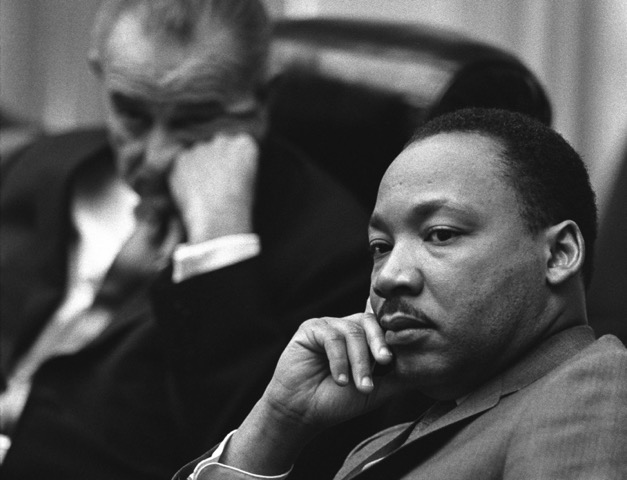
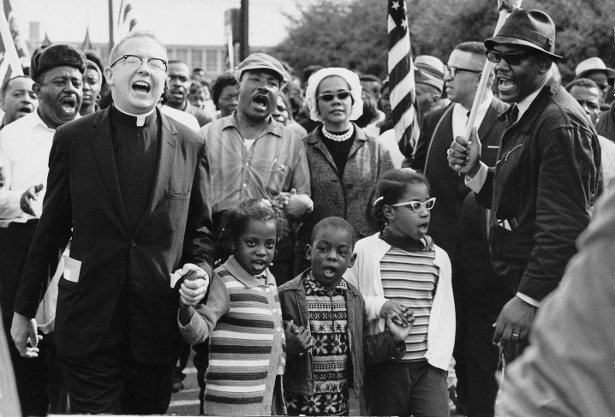
This article, written in early 2016, discusses how Martin Luther King, Jr. opted to pursue strategies of mass protest and civil resistance rather than focusing on inside-game politics.
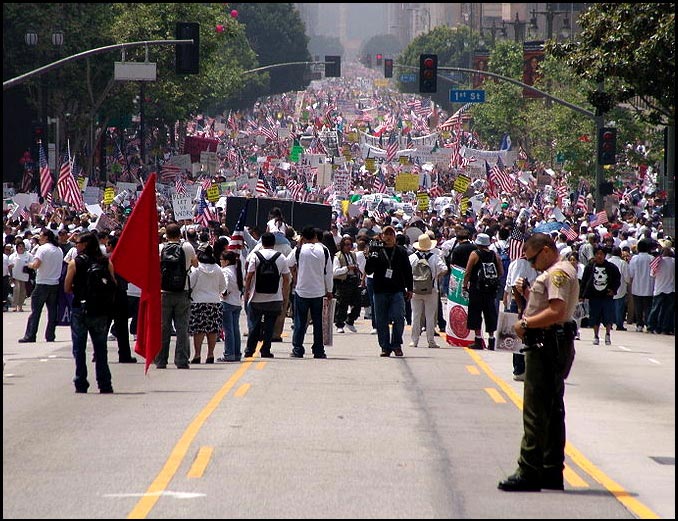
How grassroots organizing turns demands considered unrealistic and politically inconvenient into matters that can no longer be ignored.
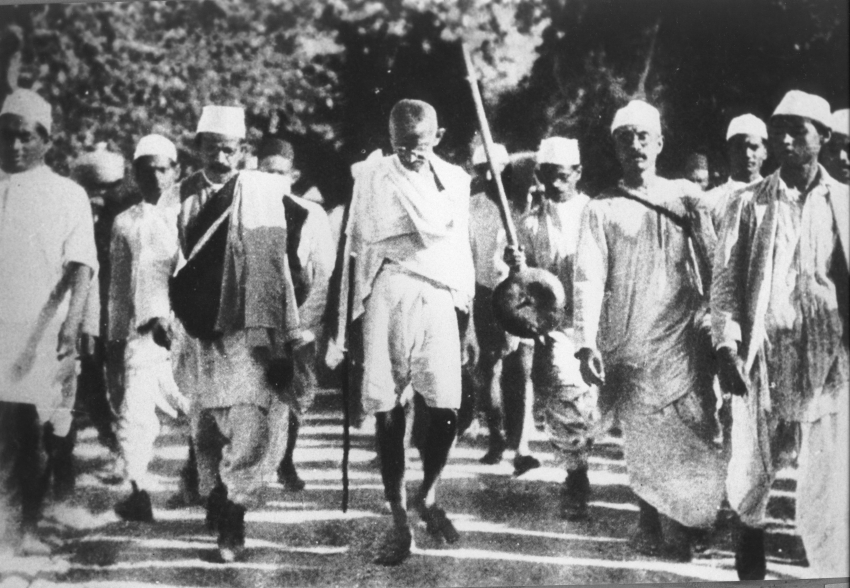
The 1930 Salt March in India provides a case study in the use of symbolic vs. instrumental demands in movement campaigns.
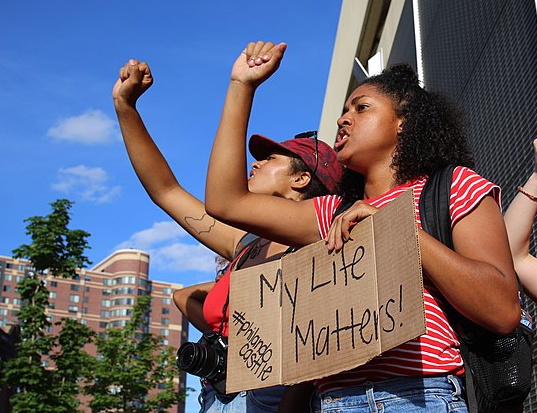
Like those of Black Lives Matter activists, King’s methods were widely criticized—even when they were effective.
The landmark 1977 book "Poor People's Movements" offers insights into the distinctive dynamics of mass uprisings.
It took years of political evolution for King to understand nonviolent action not merely as a moral force, but as an effective strategy for leveraging political change.

Popular uprisings have ramifications that go beyond immediate legislative results, and they can alter the climate of political debate.