In this project area we offer primers on key concepts for understanding how to balance inside-game lobbying and electoral campaigns with outside pressure and protest.
We look at both the usefulness and limitations of these frameworks, examining how social movements can incorporate the concepts into their theories of change. We also provide case studies that examine relevant aspects of inside-outside strategy.
Co-Governance
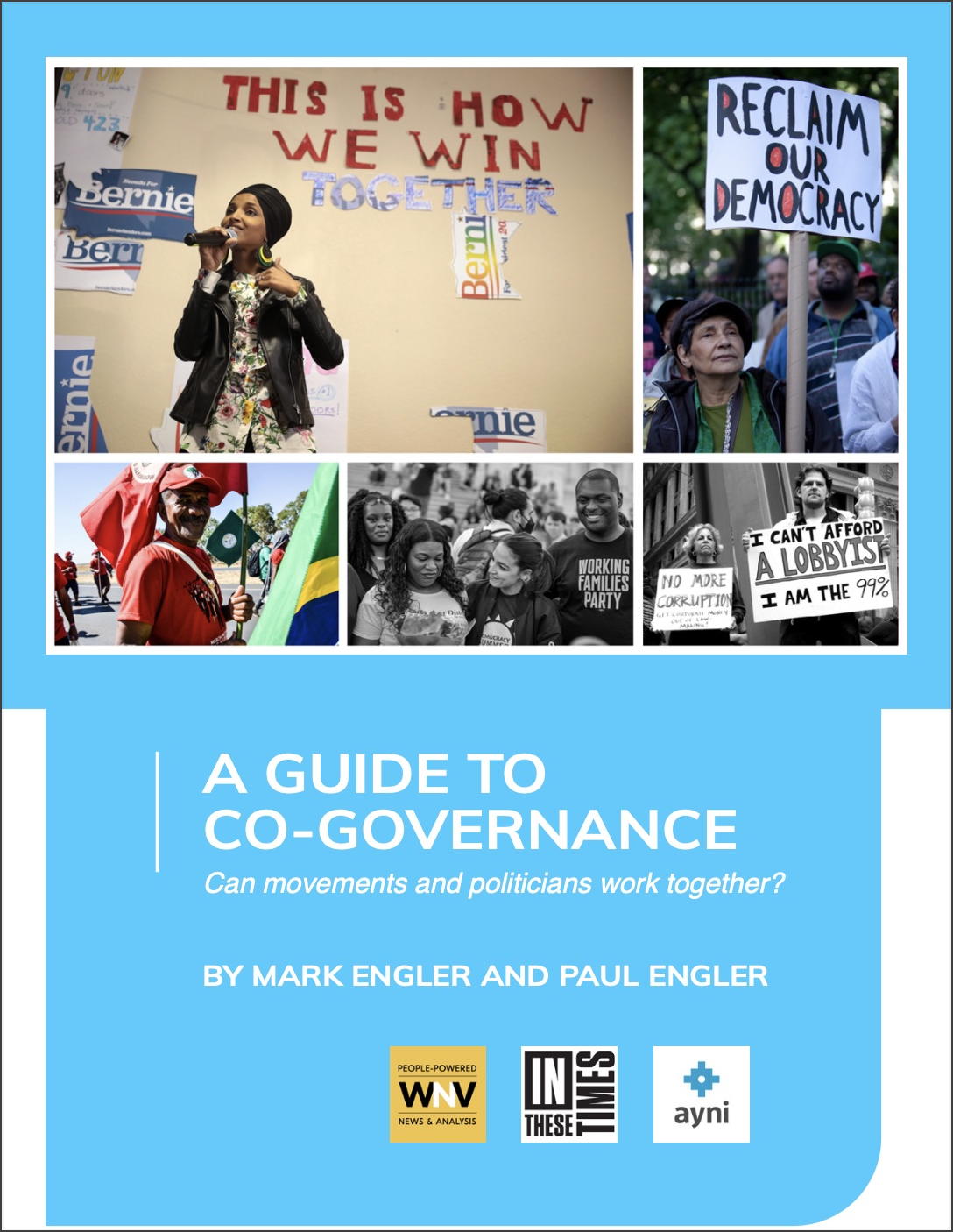
What is co-governance? And why is it relevant to progressive politics? To answer these questions, we created a report entitled, A Guide to Co-Governance: Can Movements and Politicians Work Together? The report was released in partnership with The Ayni Institute, Waging Nonviolence, and In These Times.
You can read more about the report here, or download the document in PDF format here.
The report includes three sections:
Part I, “The Rise of Co-Governance,” provides a history of the term and examines why co-governance has emerged as a topic of social movement discussion in the current political moment. Read here for more.
Part II, “Five Practices and Five Pitfalls of Co-Governance,” looks at what happens after movement-backed politicians win election. It considers ways in which movements and politicians can effectively work together, while also highlighting common tensions that arise between grassroots activists and the elected officials they put into office. Read here for more.
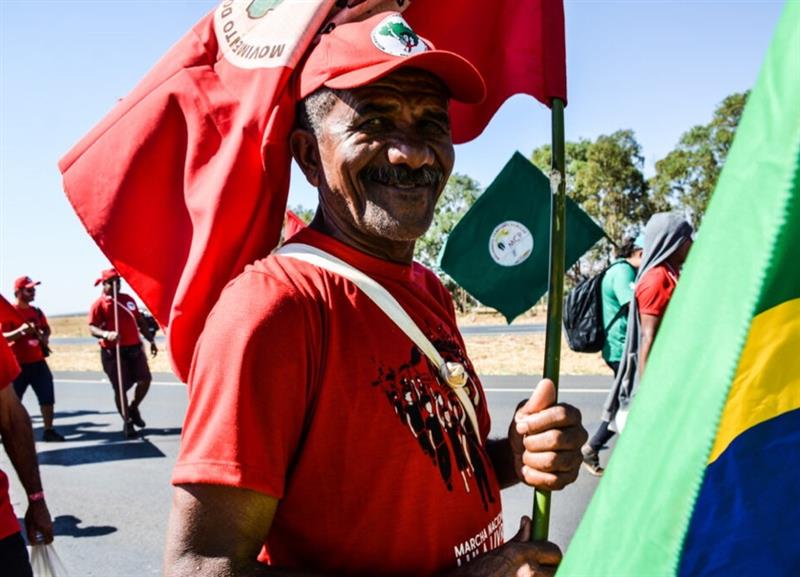
Part III consists of a discussion with professor Rebecca Tarlau about “contentious co-governance” in Brazil. In particular, it examines how Brazil’s landless workers movement, or MST, seeks to win practical reforms within state institutions while avoiding co-optation. Read here for more.
The three parts of the report can be read together or separated for use as individual handouts. While each part is designed to stand on its own, the articles collectively offer a more comprehensive treatment of the origins and use of co-governance.
One way to make it easier to think about how co-governance can take shape in practice is to look at the ways in which pro-corporate politicians have long sought to partner with business and with wealthy donors. In our article, “Is Trump co-governing with the billionaire class?” we explore what social movements can learn from the playbook of the rich. Read here for more.
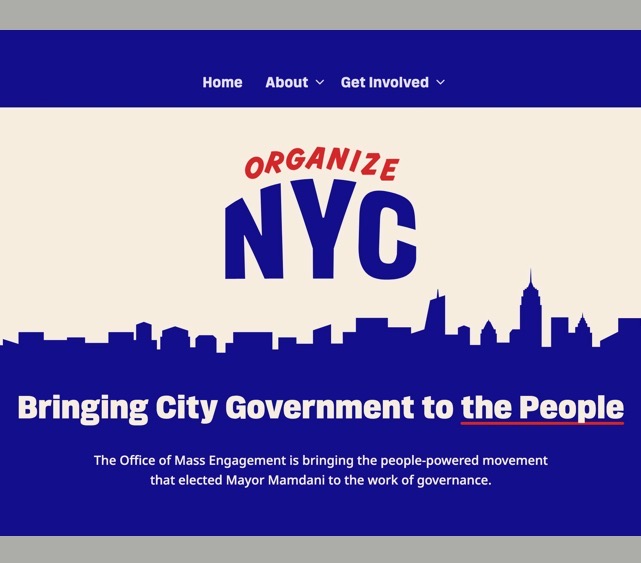
The success of Organize NYC, a new initiative designed to bring a grassroots base into the guts of the governing process, will have implications for the left outside the five boroughs.
The activists who took over the city hall of Catalonia’s capital have changed one of Europe’s preeminent cities for good, while also confronting the limits of being in power.
Political scientists Frances Fox Piven and Daniel Schlozman have debated whether movements do better to put pressure on political parties from the outside, or to focus on gaining insider power themselves.
As social movements move beyond the default anarchist sensibility that prevailed through Occupy, they must still reckon with hard questions about bureaucracy and cooptation.
In claiming the goal of "realignment," groups such as Sunrise and Justice Democrats are reviving an old idea, with hopes of provoking new political transformations.
Scholar and long-time organizer Janice Fine argues that the state must reject “neutrality” and embrace social movements as partners in promoting justice.